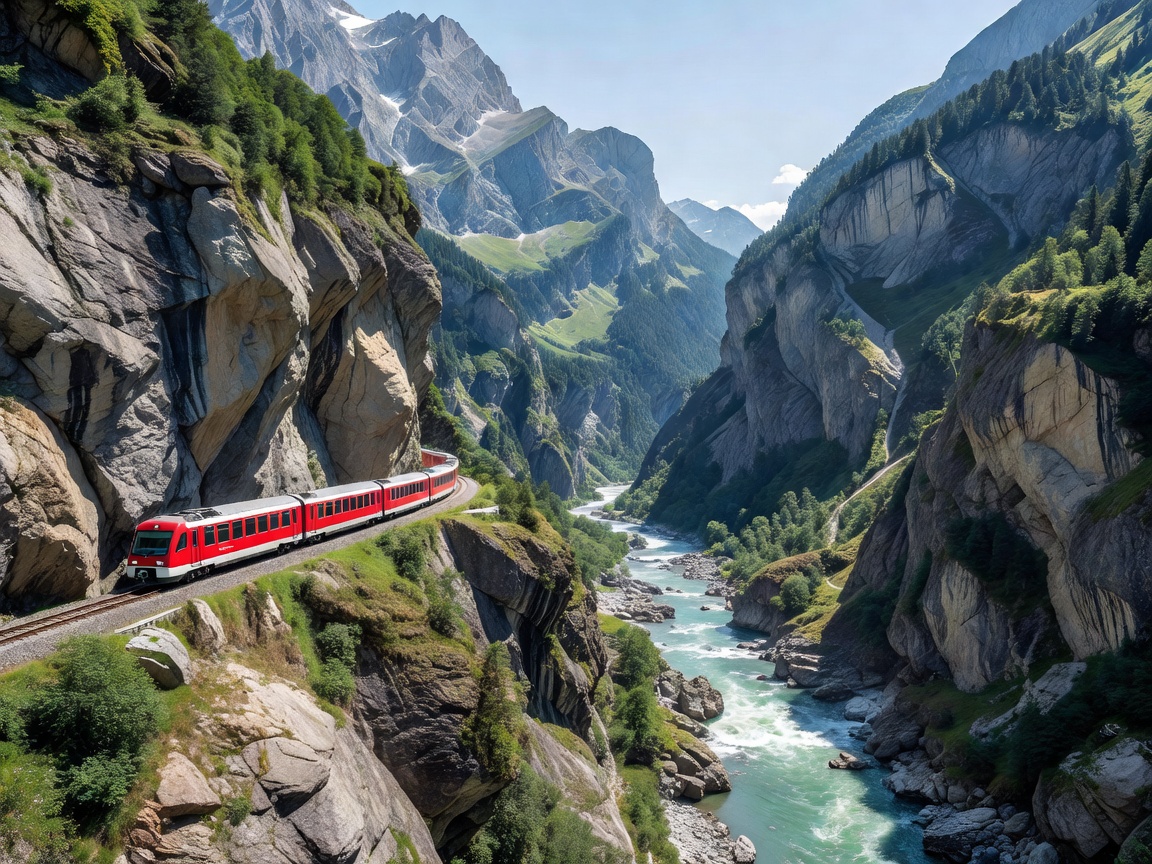
Glacier Express: Zermatt to St. Moritz
Known as the slowest express train in the world, linking Valais and Graubünden across the Rhine Gorge, the Furka base tunnel, and the Oberalp Pass.
Precision Mobility • Technical Index 2026
An engineering directory and practical field guide to the high-altitude rack railways, narrow-gauge alpine traverses, and historic cogwheels that conquer the Swiss Alps.
Technical profiles, track geometries, and operating parameters of Switzerland’s five landmark mountain railways.
Known as the slowest express train in the world, linking Valais and Graubünden across the Rhine Gorge, the Furka base tunnel, and the Oberalp Pass.
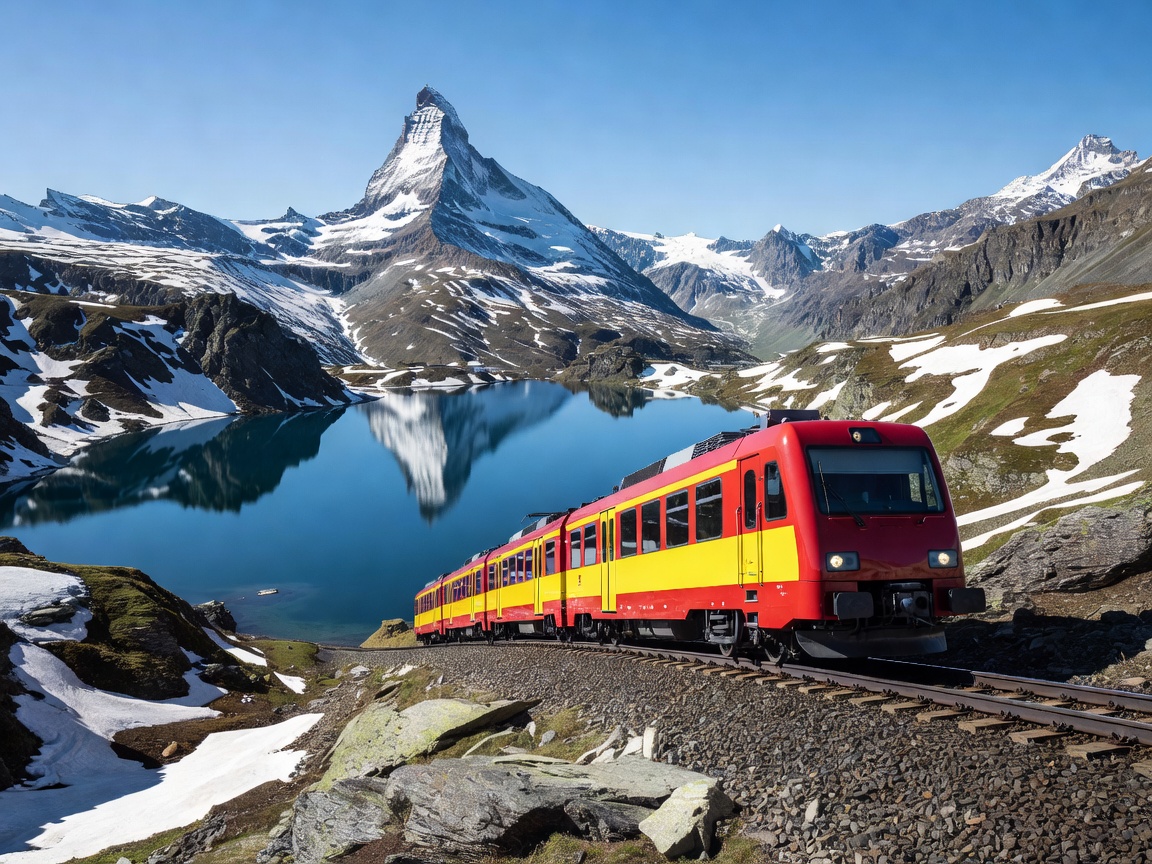
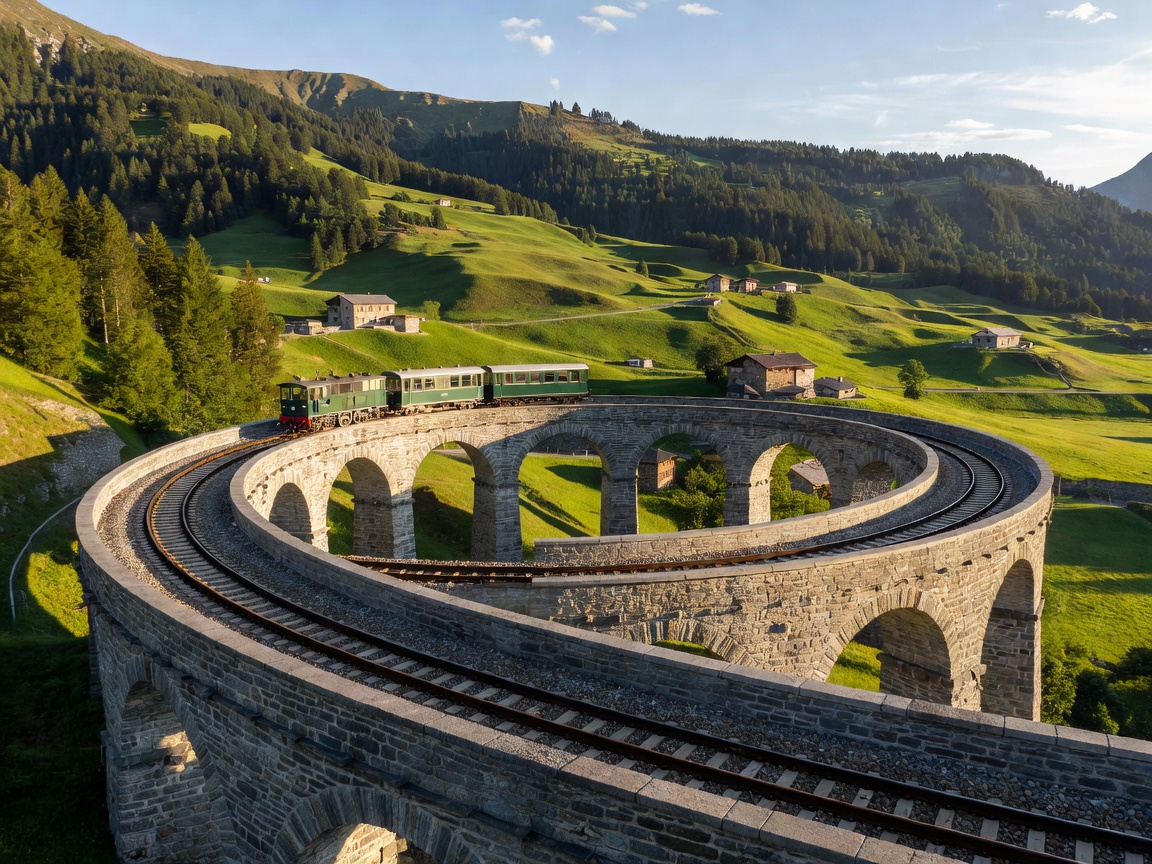
Crossing the Alps north to south without cogwheel assistance, from glaciers at Ospizio Bernina to palm trees in Italian Tirano via the Brusio Spiral.
Europe’s first fully electric rack railway, scaling 1,469 vertical meters from Zermatt to an open-air ridge facing 29 peaks exceeding four thousand meters.
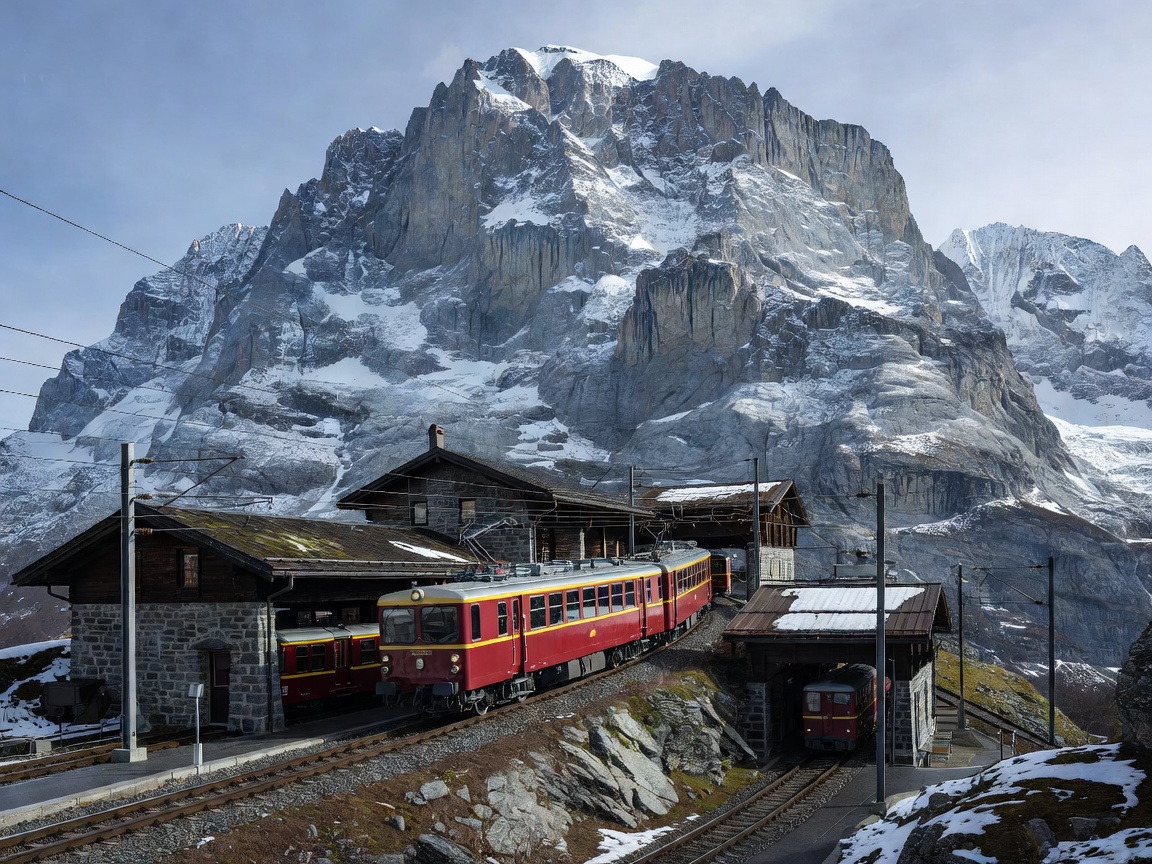
Tunnels straight through the solid limestone and gneiss of the Eiger and Mönch massifs to terminate on the saddle of the Great Aletsch Glacier.
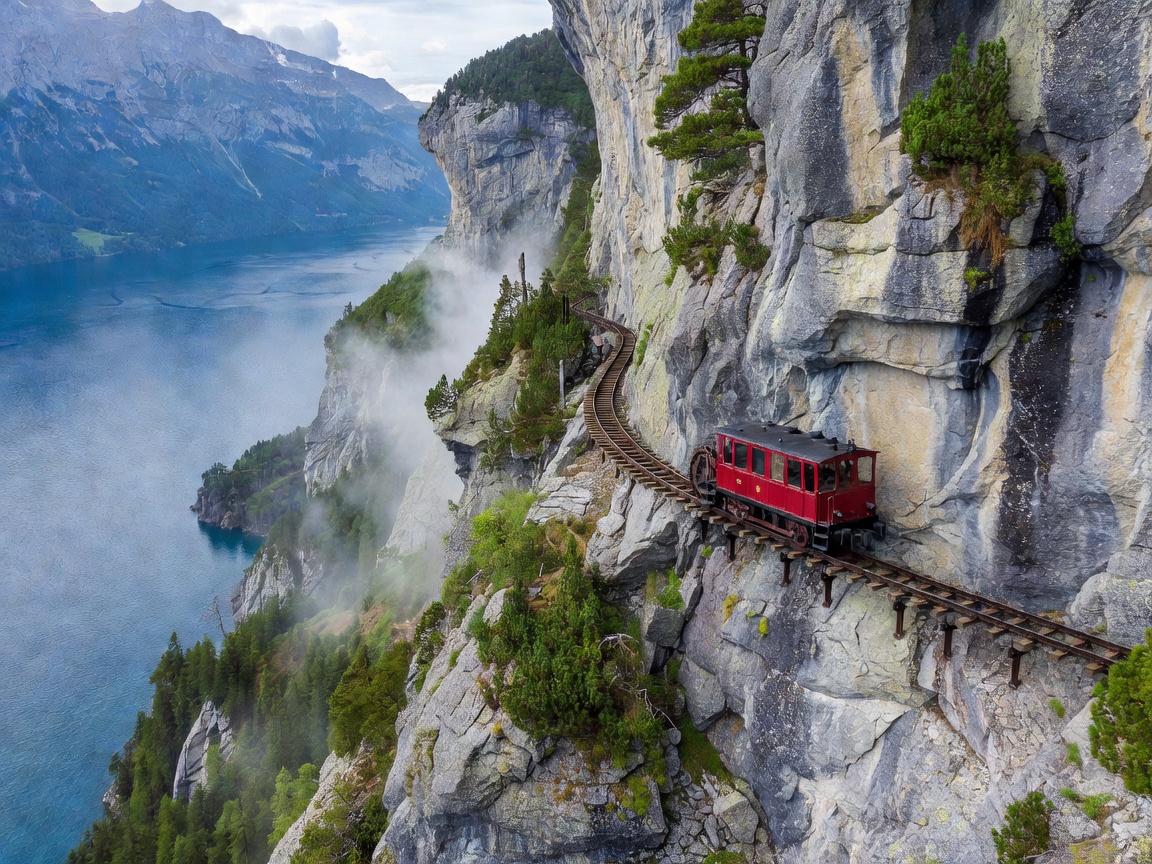
Operates with specially engineered horizontal gearwheels to prevent mechanical derailment on extreme 48 percent rockfaces rising from Alpnachstad.
Why Swiss mountain rail lines withstand high vertical gradients, heavy seasonal snowpack, and seismic shifts without mechanical failure.
Standard adhesion rail loses traction above 40 to 70 per mille (4% to 7%). To ascend steep gradients, Swiss engineers developed central toothed rack bars. Carl Roman Abt devised twin staggered bars for continuous tooth engagement, Emil Strub engineered inverted-V teeth with safety jaws, and Eduard Locher invented horizontal opposed gears for Pilatus to resist upward lift.
High-altitude passes including the Bernina (2,253 m) and Oberalp (2,033 m) operate year-round. The Rhaetian Railway maintains heritage steam and modern diesel rotary snow blowers (Xrot) capable of clearing snowdrifts up to four meters deep to maintain uninterrupted schedule integrity.
On steep descents, electric railcars cannot rely solely on friction shoes without overheating brake blocks. Modern Stadler railsets use three-phase AC motors as generators during descent, feeding electrical energy back into the overhead catenary lines to power ascending trains elsewhere on the network.